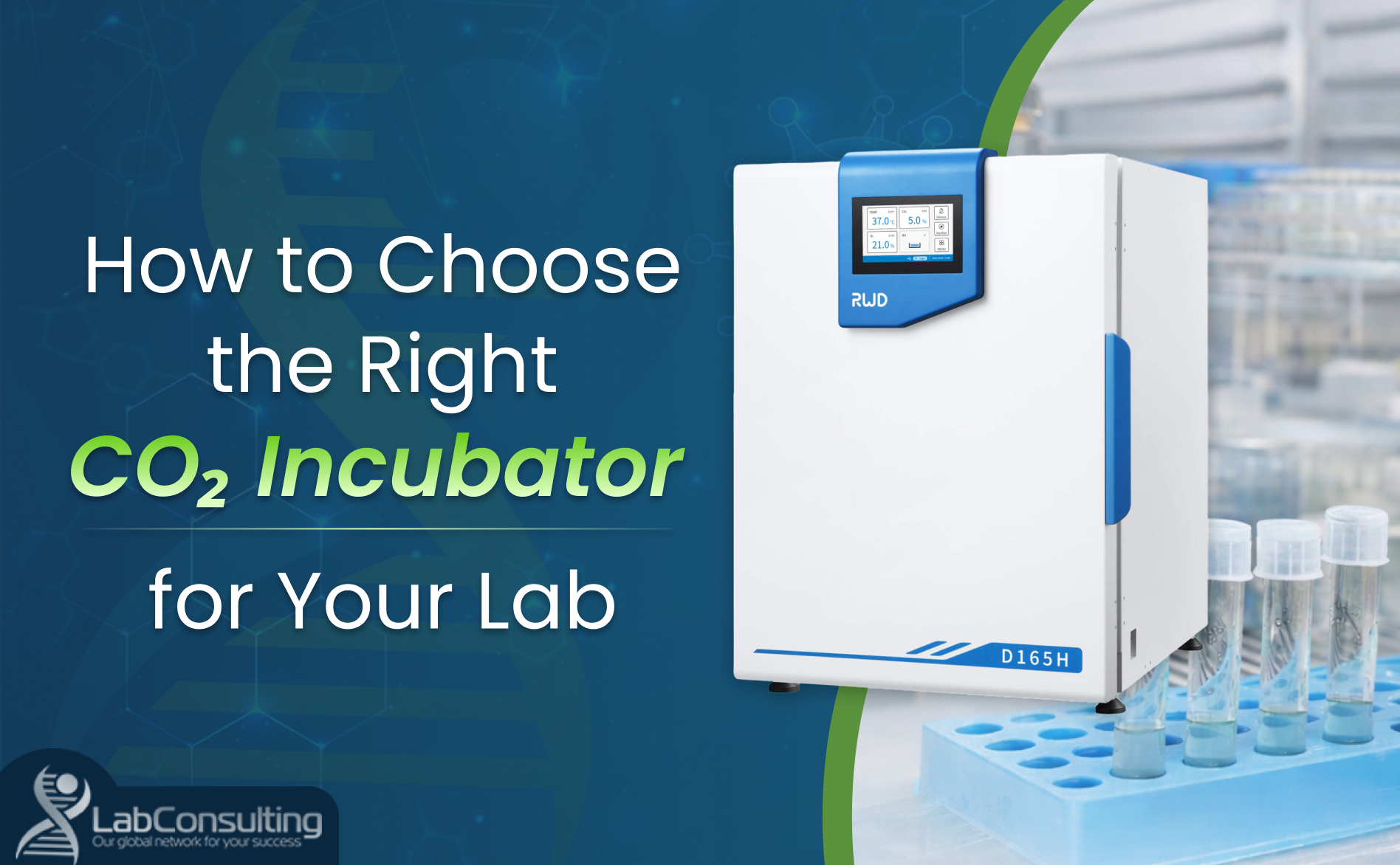
A CO₂ incubator helps laboratories create a stable environment for growing living cells. It controls temperature, carbon dioxide levels, and humidity so cell cultures can develop under safe and consistent conditions.
Even small changes in these factors can affect cell growth and research results. That is why this equipment is widely used in:
- Cell culture and tissue research
- Pharmaceutical and biotech labs
- University laboratories
- Clinical and IVF settings
Some people search for a “CO incubator,” but the correct term is CO₂ incubator. Carbon dioxide plays an important role in keeping the pH of cell culture media stable, which supports healthy cell development.
Unlike a standard laboratory incubator that only manages heat, this system controls multiple environmental factors at once. Because of this, it is often called a cell culture incubator.
Choosing the right model depends on lab needs, research type, and required features. The sections below explain the key points to consider before making a decision.
Understanding CO₂ Incubators: Controlled Environment for Cell Growth
A CO₂ incubator is designed to create a safe and stable space for growing living cells. Cells outside the human or animal body need very specific conditions to survive, and this equipment helps maintain those conditions inside the lab.
The system carefully controls three main elements:
- Temperature – Usually kept close to normal body temperature
- CO₂ level – Helps keep the culture media at the right pH
- Humidity – Prevents cell samples from drying out
Together, these factors create an environment similar to the inside of the human body. This allows cells to grow naturally and produce reliable results for research or medical studies.
Many labs depend on this type of incubator for work such as:
- Cell culture experiments
- Drug testing and development
- Stem cell research
- Clinical and fertility studies
Because this equipment supports delicate biological samples, accuracy and stability are extremely important. Even small changes in gas levels or temperature can affect how cells grow.
Some people search online using the term “CO incubator,” but the correct name is CO₂ incubator. It is a specialized form of laboratory incubator built specifically for sensitive cell culture work
How a CO₂ Incubator Works: Temperature, CO₂, and Humidity Control
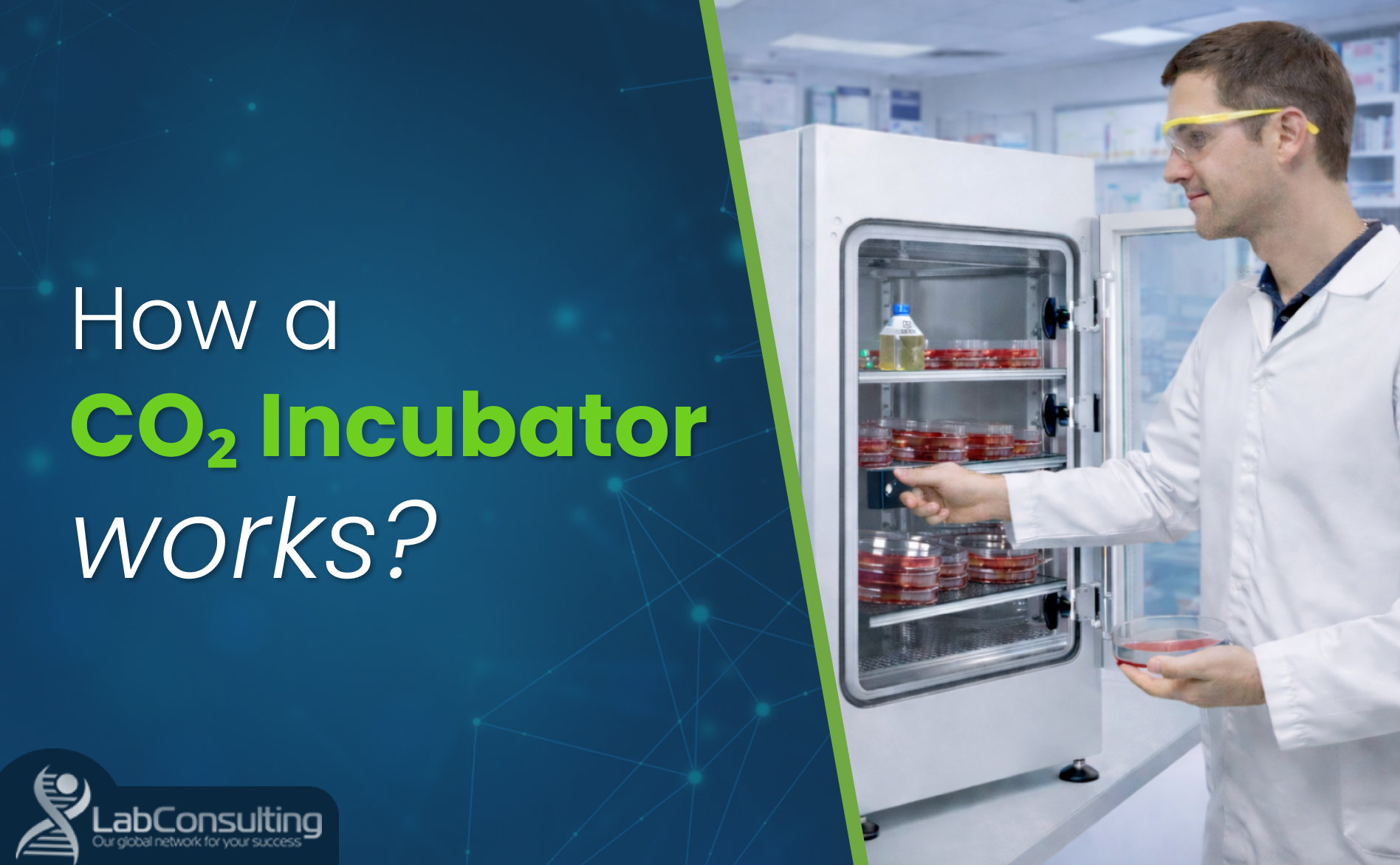
A CO₂ incubator keeps cells alive by controlling the environment inside its chamber. It works by balancing heat, gas levels, and moisture so cell cultures can grow in stable and healthy conditions.
Temperature Control
Most cell cultures grow best at a temperature close to that of the human body. The incubator uses heating systems and internal sensors to keep the temperature steady throughout the chamber.
There are two common heating methods:
- Air jacket system – Heats the air around the chamber and warms up quickly
- Water jacket system – Uses heated water around the chamber to keep temperature more stable during power changes
Stable temperature helps cells grow at a natural rate and prevents stress that can affect research results.
CO₂ Control System
Carbon dioxide plays an important role in keeping the pH level of cell culture media balanced. The incubator releases small amounts of CO₂ into the chamber to maintain the correct gas concentration.
Built-in sensors continuously measure the CO₂ level. If the level drops or rises, the system adjusts automatically. This steady control supports healthy cell development.
Humidity Regulation
Moisture inside the chamber prevents the culture media from drying out. A water pan or humidity system keeps the air moist so samples remain stable over long periods.
Proper humidity also reduces evaporation, which helps maintain the correct concentration of nutrients in the culture media.
By managing temperature, CO₂, and humidity together, this specialized cell culture incubator creates a reliable environment for sensitive biological work.
Key Features to Look for in a CO₂ Incubator
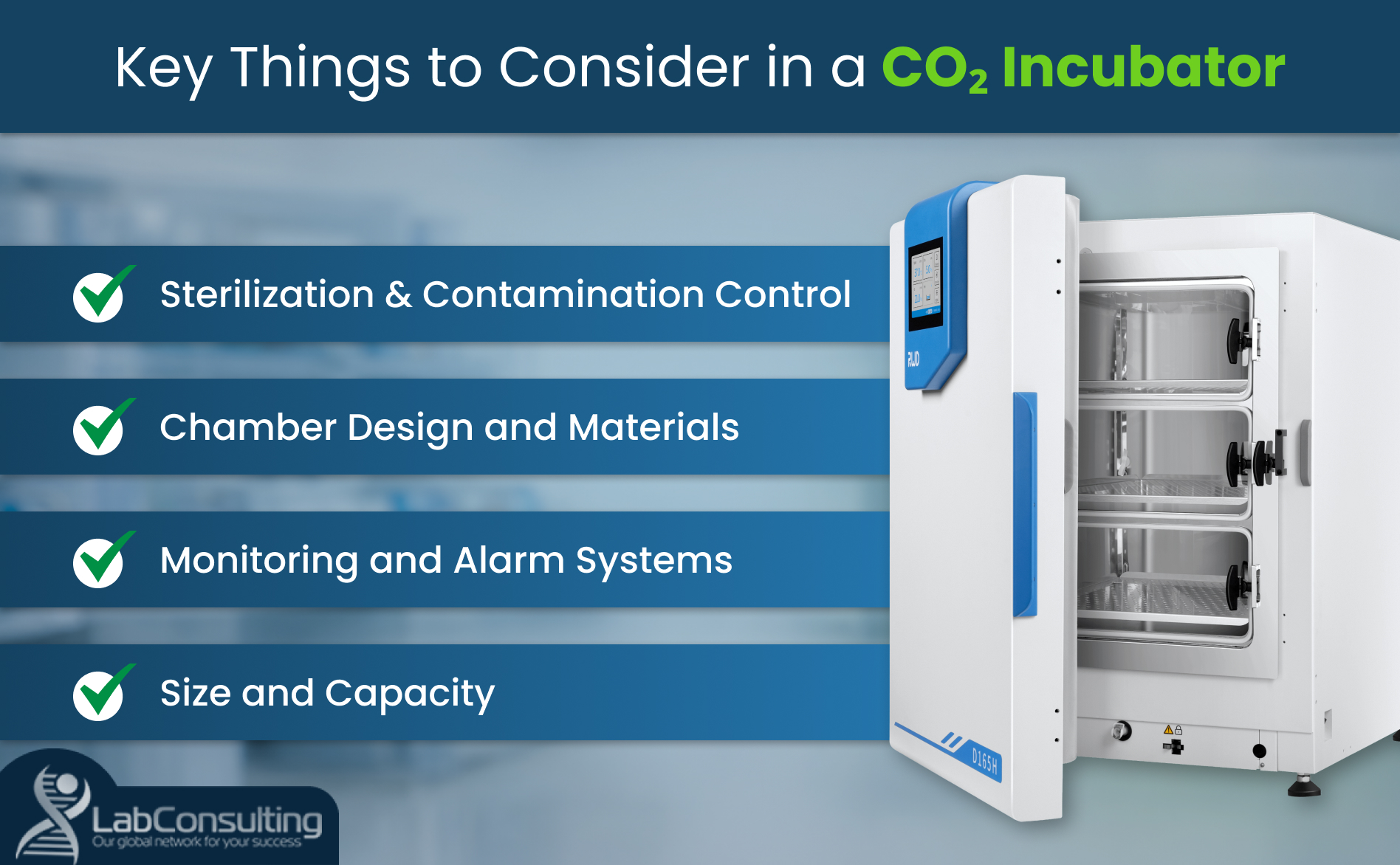
Not all CO₂ incubators are the same. Different labs need different features depending on the type of research, number of samples, and safety requirements. Looking closely at the main features helps in choosing equipment that supports reliable and long-term work.
Sterilization and Contamination Control
Cell cultures are very sensitive to bacteria, fungi, and other contaminants. Many modern systems include built-in sterilization functions to keep the chamber clean.
Common contamination control features include:
- High-temperature sterilization cycles
- Antibacterial interior surfaces
- HEPA air filtration in some models
These features reduce the risk of losing valuable samples.
Chamber Design and Materials
The inside of the incubator should be easy to clean and resistant to corrosion. Smooth, rounded corners prevent dirt buildup and make maintenance simpler.
Stainless steel interiors are often preferred because they are durable and support a clean working environment.
Monitoring and Alarm Systems
Reliable monitoring keeps conditions stable at all times. Modern units usually include digital displays and alert systems.
Important monitoring features include:
- Temperature and CO₂ sensors
- Humidity level tracking
- Alarms for door opening, gas changes, or temperature shifts
These alerts help lab staff respond quickly if something changes.
Size and Capacity
Labs must consider how many samples will be stored at one time. Smaller benchtop units may suit compact labs, while larger floor models handle higher workloads.
Choosing the right size prevents overcrowding and allows proper air circulation inside the chamber.
Paying attention to these features helps ensure that the chosen laboratory incubator supports stable performance, protects samples, and fits the lab’s daily workflow.
CO₂ Incubator vs Standard Laboratory Incubator
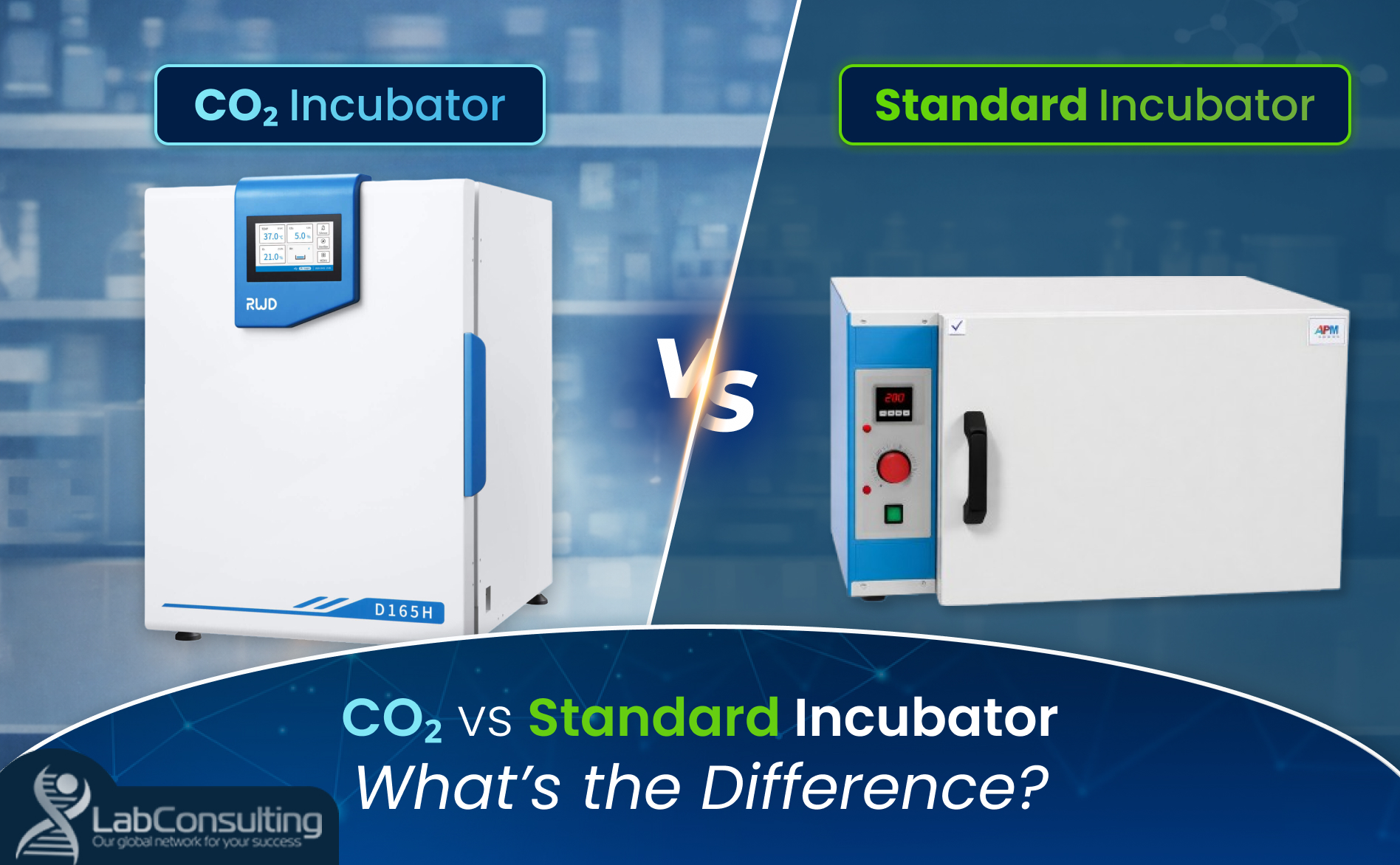
Many labs use incubators, but not all incubators are designed for the same purpose. A standard laboratory incubator mainly controls temperature, while a CO₂ incubator manages several environmental factors at the same time. This difference makes each type suitable for different lab tasks.
Below is a simple comparison to help understand when each one is used.
| Feature |
PCR (Conventional) |
Real-Time PCR (qPCR) |
| Detection Timing |
After reaction (end-point only) |
During each cycle (real-time) |
| Data Output |
Qualitative / Semi-quantitative |
Fully Quantitative (Ct values, amplification curves) |
| Result Visualization |
Gel electrophoresis (manual) |
On-screen, software-generated graphs |
| Accuracy |
Lower; can’t quantify precisely |
High; exact measurement of DNA concentration |
| Speed of Interpretation |
Slower (requires post-processing) |
Faster (automated detection while running) |
| Specificity Checks |
Limited |
Melting curve analysis for specificity and contamination |
| Use Case Fit |
Teaching labs, basic research |
Diagnostics, gene expression, pathogen detection |
A CO₂ incubator is mainly used when working with sensitive cell cultures that need a stable pH and moisture level. Without controlled carbon dioxide, many mammalian cells cannot grow properly.
A standard laboratory incubator, sometimes called a lab incubator, is more suitable for simpler tasks such as bacterial culture, sample warming, or general laboratory procedures that do not require CO₂ or high humidity.
Understanding this difference helps labs choose equipment that matches their research needs instead of relying on temperature control alone.
Applications of CO₂ Incubators in Modern Laboratories
A CO₂ incubator is widely used in labs that work with living cells. Its controlled environment allows researchers and medical professionals to grow cells safely and study them under stable conditions.
Below are some of the most common areas where this type of cell culture incubator plays an important role.
Cell Culture and Tissue Research
Many biological studies involve growing cells outside the body. These cells need a stable temperature, proper moisture, and balanced carbon dioxide levels to survive. This equipment helps maintain those conditions so researchers can observe cell behavior, growth, and response to treatments.
Pharmaceutical and Drug Development
Drug testing often begins at the cellular level. Scientists grow cells and expose them to new medicines to study their effects. A stable environment ensures test results are accurate and repeatable.
Stem Cell Research
Stem cells are highly sensitive and require very precise environmental control. Even small changes can affect how these cells develop. This makes a CO₂ incubator an essential tool in stem cell laboratories.
Clinical and Fertility Laboratories
In medical settings such as IVF labs, embryos and reproductive cells must be kept in carefully controlled conditions. Stable CO₂ and humidity levels help protect these delicate samples during early development stages.
Across these fields, reliable incubation supports consistent research outcomes and protects valuable biological materials. A well-designed laboratory incubator for cell culture becomes a central part of daily lab operations.
How to Choose the Right CO₂ Incubator for Your Lab

Selecting the right CO₂ incubator depends on the type of work your lab performs and how often the equipment will be used. Different research environments have different needs, so it is important to match features with daily lab activities.
Here are the main points to consider before choosing a system.
Type of Research Work
Some labs focus on basic cell culture, while others handle stem cells, drug testing, or clinical samples. More sensitive work requires higher stability, better contamination control, and more precise monitoring.
Understanding the level of sensitivity in your work helps guide the choice of features and performance level.
Chamber Size and Capacity
The number of samples you plan to store at one time is important. A chamber that is too small can lead to overcrowding, which affects airflow and temperature balance. A unit that is too large may use more energy than needed.
Choose a size that fits your current workload but also allows some room for future growth.
Contamination Protection Needs
Labs that open the chamber frequently or work with many samples may need stronger contamination control. Features like sterilization cycles and improved air filtration can help protect valuable cultures.
A clean chamber reduces the risk of sample loss and saves time that would otherwise be spent repeating experiments.
Monitoring and Control Systems
Modern units often include digital control panels that show temperature, CO₂ level, and humidity in real time. Alarm systems are also useful because they warn staff if conditions change.
Clear monitoring helps maintain stable conditions without constant manual checking.
Energy Efficiency and Maintenance
Energy-efficient systems reduce operating costs over time. Easy-to-clean interiors and simple maintenance procedures also save time for lab staff.
Reliable equipment that is easy to maintain supports smooth daily operations.
Taking these factors into account helps labs choose a cell culture incubator that supports consistent results and long-term performance.
Maintenance and Best Practices for CO₂ Incubators
Regular maintenance keeps a CO₂ incubator working properly and helps protect valuable cell cultures. Clean equipment and stable settings reduce the risk of contamination and unexpected problems during experiments.
Routine Cleaning
The inside of the chamber should be cleaned on a regular schedule. Spilled media, dust, and moisture buildup can create a place for bacteria or fungi to grow.
Good cleaning habits include:
- Wiping interior surfaces with approved disinfectants
- Removing shelves and trays for deeper cleaning
- Keeping door seals clean and dry
A clean chamber supports a safe environment for cell growth.
Managing Humidity and Water Pans
Water pans inside the unit help maintain humidity. The water should be checked often and replaced with sterile or distilled water to prevent contamination.
Allowing water to sit for too long can lead to microbial growth, which may affect samples.
Checking CO₂ and Temperature Sensors
Sensors measure and control the environment inside the chamber. Over time, they may need calibration to ensure accurate readings.
Regular checks help confirm that temperature and gas levels stay within the required range for cell culture.
Door Handling and Usage Habits
Frequent door opening can cause sudden changes in temperature and CO₂ levels. Keeping the door closed as much as possible helps maintain stability.
Organizing samples so they can be accessed quickly also reduces exposure to outside air.
Scheduled Sterilization Cycles
Some systems include built-in sterilization programs. Running these cycles at recommended intervals helps reduce contamination risks and keeps the chamber environment safe.
Common Mistakes When Using a CO₂ Incubator
Even with advanced equipment, simple handling mistakes can affect cell growth and research results. Being aware of these common issues helps labs maintain stable conditions and protect valuable samples.
Opening the Door Too Often
Frequent door opening causes temperature and CO₂ levels to drop. It can take time for the chamber to return to stable conditions, which may stress sensitive cell cultures.
Planning sample access in advance helps reduce unnecessary door openings.
Overloading the Chamber
Placing too many flasks or plates inside the unit can block airflow. Poor circulation leads to uneven temperature and gas distribution, which affects cell growth.
Leaving space between samples supports better environmental balance.
Ignoring Water Pan Hygiene
Water pans help control humidity, but stagnant or contaminated water can become a source of microbes. Using clean, sterile water and replacing it regularly helps prevent this issue.
Skipping Regular Cleaning
Small spills or unnoticed dirt can lead to contamination over time. Regular cleaning keeps the chamber safe for long-term use and reduces the risk of losing cultures.
Incorrect CO₂ Supply Setup
Improper gas cylinder connections or empty tanks can lead to unstable CO₂ levels. Checking the gas supply and pressure regularly ensures consistent performance.
Not Monitoring Alarm Alerts
Modern systems include alarms for changes in temperature or gas levels. Ignoring these warnings can lead to sample damage if problems are not addressed quickly.
Avoiding these common mistakes helps maintain a stable environment inside the cell culture incubator and supports reliable research outcomes.
Final Thoughts: Choosing the Right CO₂ Incubator for Reliable Lab Results
A CO₂ incubator plays a central role in labs that work with living cells. Stable control of temperature, carbon dioxide, and humidity helps create the right conditions for cell growth and accurate research outcomes.
Choosing the right system is not only about size or price. It involves understanding lab needs, the type of research being performed, and the level of environmental control required. Features such as contamination protection, reliable monitoring, and easy maintenance all contribute to long-term performance.
Careful selection and proper use of this specialized laboratory incubator help protect valuable samples and improve consistency in daily lab work. When the environment inside the chamber remains stable, researchers can focus on their experiments with greater confidence.
For laboratories planning to upgrade or expand their equipment, reviewing available models and technical specifications can support a more informed decision. Reliable incubation equipment becomes a long-term partner in achieving accurate and repeatable scientific results.
FAQ:
1. How long does it take for a CO₂ incubator to stabilize after the door is opened?
Most units return to normal temperature and gas levels within a few minutes. The exact time depends on the model, chamber size, and how long the door was open.
2. Can different cell types be stored in the same incubator?
Yes, but only if they require similar environmental conditions. Using separate shelves and proper labeling helps prevent cross-contamination between cultures.
3. Does room temperature affect incubator performance?
Yes. Large changes in room temperature can make it harder for the system to maintain stable internal conditions. Keeping the lab at a consistent temperature improves performance.
4. How often should CO₂ gas cylinders be checked?
Gas levels should be checked regularly as part of routine lab monitoring. Running out of gas can quickly change the chamber environment and affect samples.
5. Is it safe to place the incubator near other lab equipment?
It is best to leave space around the unit for airflow and easy maintenance. Placing it too close to heat sources or vibrating equipment can affect stability.
6. Can power interruptions damage cell cultures inside the incubator?
Short power cuts may not cause serious harm if the door stays closed. For longer outages, backup power systems can help protect sensitive samples.
7. Do all CO₂ incubators need an external gas supply?
Most models require an external carbon dioxide cylinder connected through a regulator to maintain proper gas levels.
8. How do labs track incubator performance over time?
Many modern systems include data logging features that record temperature and gas levels. This helps labs review performance and meet quality standards.